Whether you’re facing challenges or looking for tailored solutions, our team is here to help. Get in touch with us today and take the next step towards securing your business’s future.
TL;DR The US has introduced a hefty 30% tariff on South African imports, threatening around 30,000 jobs and potentially hindering economic growth. Key sectors like agriculture and automotive are hit hardest, prompting South African businesses to seek alternative markets, particularly within Africa and Asia. To navigate this challenging landscape, companies are encouraged to leverage government support and explore insurance options such as Political Risk Insurance from Berkley Risk, which can help mitigate financial losses from tariffs and political instability. For tailored solutions and guidance, engaging with Berkley Risk is essential.
The recent imposition of a 30% tariff on South African imports by the United States has raised some serious concerns for local exporters. This significant tax which took effect on 1 August 2025, threatens up to 30,000 jobs across critical sectors such as agriculture and automotive. With South Africa’s unemployment already above 32%, the economic implications are daunting, potentially reducing growth by around 0.2%. To mitigate these risks, businesses are encouraged to diversify their markets beyond the US and engage with Berkley Risk for tailored political risk insurance solutions. This could be vital for maintaining stability amid unpredictable trade policies and economic conditions.
How us tariffs could impact south african exports and how to prepare 8
Overview of US Tariffs and Their Impact
The US has slapped a 30% tariff on most imports from South Africa from August 8, 2025. This is one of the highest tariffs South African goods have faced and changes the trade landscape. Tariffs are taxes on products coming into the country so exporters will have to absorb the costs. South African businesses will struggle to maintain their pricing in the US market and will be less competitive against local products.
Historically US tariffs have changed a lot and often reflect broader economic policies to protect domestic industries. In this case these tariffs could jeopardise trade agreements between the US and South Africa as they will be seen as barriers to trade not facilitators. And it’s not just exporters, tariffs can lead to higher consumer prices in the US and affect choices and purchasing power.
The potential for retaliation from South Africa adds another layer of complexity as the government may want to protect its own industries by imposing tariffs on US goods. Public opinion on tariffs is mixed in both countries with job losses and economic impact being the main concerns. As the landscape changes long term we will see tariffs as a contentious issue that will impact not just trade but the broader economic relationship between the two countries.
Key Aspect
Details
Current Tariff Rate
30%
Effective Date
August 8, 2025
Expected Job Losses
Approximately 30,000
Impact on Economic Growth
Could shave about 0.2% off growth
High Unemployment Rate
Over 32%
Most Affected Sectors
Automotive, agriculture, textiles
Government Support Initiative
Export Support Desk established to assist exporters
Additional Risks
Increased costs for exporters affecting competitiveness
Job Losses and Economic Effects
US tariffs on South African exports will lead to massive job losses, with estimates of around 30 000 jobs at risk across various sectors. Agriculture, automotive and textiles will be the hardest hit, which will worsen South Africa’s already high unemployment rate of over 32%. The consequences of these job losses go beyond individual livelihoods; local economies and communities will suffer, leading to a ripple effect of reduced consumer spending. In areas that are heavily reliant on the affected sectors we will see more poverty, making it even harder for families to make ends meet. Small and medium-sized enterprises (SMEs) which are the backbone of local economies will face even more challenges as customers cut back on spending in response to job losses. Furthermore the tariffs will lead to inflationary pressures as businesses grapple with increased costs and pass these on to consumers. Historical case studies show that similar tariff situations have led to massive job cuts and economic downturns, a stark warning for South African exporters. The long term economic forecasts are dire if these tariffs remain in place, a slowdown in growth and reduced global competitiveness for South Africa.
Statistics on job losses across different sectors
Impact of job losses on local economies and communities
Link between tariffs and unemployment in South Africa
Sectors most affected by the tariffs
Increase in poverty due to job losses
Impact on small and medium-sized enterprises (SMEs)
Long term economic forecasts for South Africa with tariffs
Link between tariffs and inflation
Effect on consumer spending due to reduced employment
Case studies of industries that have suffered from similar tariff situations
Sector-specific Challenges for Businesses
The automotive sector is facing big problems because of the high tariffs on South African exports. With a 30% tariff on vehicles, manufacturers will struggle to compete with cheaper imports in the US market. This could mean reduced sales and potential job losses in an already fragile industry. Agriculture is not immune to this either. Key products like citrus and wine, which are big for export, may see a decline in demand as prices go up, threatening livelihoods and the economy as a whole.
The textile industry is also struggling to compete with cheaper alternatives from countries with better trade deals. This means local manufacturers have to either lower their prices, which can compromise quality, or innovate and offer unique products that justify a higher price. Technology and electronics may be disrupted as tariffs increase the cost of components and finished goods, which could lead to reduced export volumes.
Interestingly, tourism may feel the indirect effects of these tariff policies. As prices go up in the US because of tariffs, potential tourists may think twice about visiting South Africa, which will impact local businesses that rely on international visitors. Tariffs can also disrupt supply chains and logistics, making it harder for businesses to maintain operations and deliver on time. This could mean increased costs that will be passed on to consumers.
To navigate these sector-specific challenges, businesses need to explore adaptation strategies like diversifying their product lines or finding new markets. Innovation is key here; companies that invest in unique offerings may find ways to offset the negative effects of tariffs. Industry collaboration can also be beneficial, where businesses can share resources and strategies to tackle the tariff-induced challenges together. The future for these sectors is uncertain but proactive measures and planning can help mitigate risks and position businesses for success.
Strategies for Diversifying Export Markets
South African exporters need to find new markets to mitigate the risk of US tariffs. Potential markets are within Africa and emerging markets in Asia and the Middle East. By diversifying beyond traditional markets, businesses can reduce their dependence on one market and be more resilient to economic shocks.
Intra-African trade agreements play a big role in this diversification strategy, where South African products can reach neighbouring countries with lower tariffs and trade barriers. And tapping into emerging markets, especially in Asia and the Middle East, is promising as demand for diverse goods is increasing.
To enter these new markets, South African exporters should consider the following. Participate in trade missions and expos to connect with potential partners and distributors. Build relationships with foreign distributors and agents to understand local market dynamics and consumer preferences.
Use technology and digital platforms can help in market expansion. Online marketplaces and social media can reach a wider audience at a lower cost. Adapt products to the preferences and needs of new markets; this may mean changing packaging, pricing or even the product itself according to regional expectations.
Lastly, assess risks and opportunities in these new regions to make informed decisions. Do thorough market research to identify potential challenges so exporters can develop strategies to overcome them.
Government Support for Exporters
The South African government has set up an Export Support Desk to help businesses navigate the complexities of international trade, especially with the new US tariffs. This desk offers market research, export advice and help to find alternative markets. There are also various government incentives to help businesses adapt to these tariffs which may include financial assistance programmes to mitigate the impact of increased costs.
Exporters can also access training and resources from the government to upskill and uptrain in global trade. Collaborations with industry bodies also boost export capabilities so that businesses have access to relevant expertise and support. The government is also promoting grants and funding opportunities that can provide much needed funding for exporters looking to expand their footprint.
Trade missions play a key role in opening up markets, allowing South African businesses to connect with potential buyers and partners abroad. Legal support is also available to help exporters navigate international trade laws so that they can be compliant and protected.
For those looking for specific data and research on new markets, the government has valuable insights that can inform business decisions. Success stories of businesses that have used government support show how important these resources are and how they can lead to growth and resilience in the face of challenges.
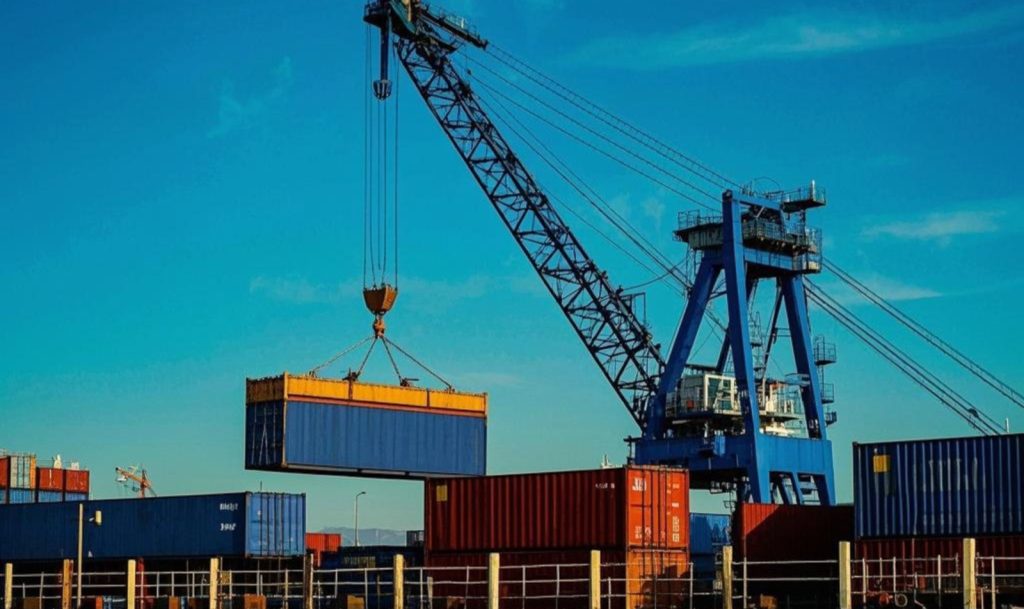
Image Taken from
Engineering News
Understanding How Tariffs Work
Tariffs are taxes that governments slap on imported goods making them more expensive and protecting local industries from foreign competition. They come in different forms, specific tariffs which charge a fixed fee per unit and ad valorem tariffs which charge a percentage of the goods value. So if a South African exporter is facing a 30% tariff in the US the cost of their products increases significantly and affects their pricing strategy and competitiveness in the market.
Calculating tariffs involves classifying goods according to the Harmonized System which standardises the naming and coding of products internationally. The higher the tariff the more difficult it is for exporters to maintain their profit margins as they have to either absorb these costs or pass it on to the consumer. This can lead to reduced demand for South African goods in the US market.
Tariffs go beyond pricing; they can shift international trade dynamics. For example a company might source materials or products from countries with lower tariffs to remain competitive which can further complicate the landscape for South African exporters. The World Trade Organization (WTO) plays a big role in regulating these practises and resolving disputes that arise from tariff imposition, to ensure member countries adhere to agreed upon trade rules.
Transparency is key to compliance with tariff regulations as businesses have to navigate complex legal requirements to avoid penalties. Some goods might qualify for exemptions or special tariff rates which can be a lifeline to certain sectors. But appealing tariff decisions can be a long and complicated process requiring thorough documentation and legal expertise.
Looking ahead trends indicate that tariff reforms might be on the horizon with growing calls for fairer trade practises. Understanding how tariffs work is crucial for South African exporters to adapt and thrive in a changing global market.
The Role of Berkley Risk in Tariff Management
Berkley Risk helps South African exporters navigate the US tariff minefield. Their services include customised insurance products to mitigate tariff and political risk. For example, companies that have worked with Berkley Risk have benefited from political risk insurance which covers losses from sudden policy changes or economic disruption due to tariffs.
One example is a South African agricultural company that was hit hard by the new tariffs. By working with Berkley Risk they were able to get customised insurance solutions that gave them financial stability during this uncertain period. They could focus on their core business without the constant worry of tariff losses.
Berkley Risk is good at risk assessment and management so businesses are prepared for the tariff landscape. They work closely with government agencies to stay up to date with policy changes and adapt their strategies accordingly. Clients have praised Berkley Risk for their proactive approach saying their expertise has protected their business.
Understanding the claims process for tariff losses is another area where Berkley Risk excels. They provide clear guidance and support so clients can file claims without delay. Berkley Risk also hosts networking events that connect businesses with industry experts and create opportunities for collaboration and knowledge sharing.
And Berkley Risk offers educational resources to equip exporters with the knowledge they need to thrive in a tough environment. Through webinars and workshops they help businesses understand tariff implications and develop strategies to mitigate risk. This comprehensive support makes Berkley Risk a must have partner for South African exporters facing US tariffs.
Insurance Solutions for South African Businesses
Insurance can be a lifesaver for South African businesses hit by US tariffs. There are several types of insurance that can help with tariff impacts, such as political risk insurance (PRI) and trade credit insurance. Political risk insurance protects businesses against losses caused by political instability, including sudden changes in trade policies or economic disruptions due to tariffs. Trade credit insurance on the other hand safeguards against the risk of non-payment by foreign buyers which becomes more pronounced when tariffs increase costs and affect competitiveness.
Investing in these insurance solutions can mitigate financial risks. For example if a South African exporter is hit by unexpected tariffs that increase their costs, PRI can cover the losses from reduced sales or disrupted operations. This means businesses can keep operating and avoid severe financial strain and support business continuity.
Understanding the claims process for political risk insurance is key. Businesses need to know what documentation is required and the timeframe for submitting claims. Having a clear understanding will help to speed up the process when it matters most. Regular policy reviews are also important as it ensures the cover remains aligned with the changing risk landscape especially with changing tariffs.
A cost-benefit analysis is essential before investing in insurance solutions. There is a cost to the premiums but the financial losses from tariffs could be much greater. Many companies have found that the investment in insurance has paid off big time. For example a South African automotive manufacturer was hit by financial loss due to increased tariffs. But with PRI in place they were able to recover losses and continue operating.
Partnering with local insurers can enhance coverage options as they often understand the specific risks faced by South African businesses. Assessing the right level of cover is also key; businesses need to evaluate their exposure to tariffs and the impact on their operations to determine how much cover they need.
Looking ahead there are developments in insurance products specifically for exporters. Insurers are starting to offer more bespoke solutions that address the unique challenges of tariffs and international trade. This evolution in insurance products will be crucial for businesses to navigate the complexities of the global market.
Political Risk Insurance Explained
Political risk insurance (PRI) is a specialised type of insurance designed to protect businesses from losses resulting from political events that can disrupt operations. This includes government actions like expropriation, civil unrest, or changes in trade policies, such as the recent US tariffs on South African imports. Unlike standard insurance, which typically covers physical assets or liability, PRI focuses on safeguarding against risks that stem from political instability and can have wide-ranging implications for international trade.
Common scenarios covered by PRI include sudden changes in legislation that may affect the viability of exports, as well as civil disturbances that could hinder supply chains. Understanding the political climate of the countries in which you operate is essential, especially in light of evolving trade relations. As we see with the current US tariffs impacting South Africa, being aware of these dynamics can help businesses mitigate risks effectively.
The availability of political risk insurance has been steadily increasing, reflecting a growing recognition of the importance of protecting investments against political uncertainties. For investors, having PRI in place fosters greater confidence, allowing them to engage in markets that may otherwise seem too risky. However, businesses must also evaluate the costs associated with PRI, as premiums can vary significantly based on the perceived risk of the insured country.
There are numerous case studies that illustrate how PRI has helped businesses weather political storms. For example, a South African textile company that faced disruptions due to civil unrest was able to recover its losses through a well-structured PRI policy, allowing it to maintain operations.
Choosing the right provider for political risk insurance is crucial; businesses should look for insurers with a strong track record and an understanding of their specific industry challenges. In our increasingly globalised economy, the future of political risk insurance appears promising, providing a necessary safety net for businesses navigating the complex landscape of international trade.
How to Engage with Berkley Risk for Support
To get started with Berkley Risk, follow these simple steps. First, reach out to them via their contact methods, whether by phone or email. It is advisable to request an initial consultation, where you’ll discuss your specific needs and concerns regarding the recent US tariffs. During this consultation, Berkley Risk will gather information about your business, including your industry, export volumes, and any current challenges you face.
When preparing for your initial meeting, ensure you have all necessary documentation at hand. This could include financial statements, export records, and any previous insurance policies you might have. Clear communication about your business needs is crucial, as it helps Berkley Risk tailor their services to suit you best.
After the consultation, you can expect a timeline for the service provision to be outlined. This will give you a better understanding of when you can expect to receive support and the steps involved in the process. Berkley Risk also has resources available, such as informative materials on political risk insurance and tips for navigating trade challenges.
Once you’ve engaged with Berkley Risk, there will be follow-up processes to ensure your needs are being met. This may involve periodic check-ins or updates on any changes in their services. Many businesses have shared positive testimonials about their experiences with Berkley Risk, noting how their ongoing support and relationship management have been invaluable in navigating the complexities of tariffs.
To keep abreast of Berkley Risk’s offerings and any changes in services, regularly check their website or subscribe to their newsletters. Staying informed will help you make the most of the support they provide.
Frequently Asked Questions
What are the recent changes in US tariffs that could affect South African exporters?
The US has introduced some new tariffs and adjusted existing ones on various goods. These changes can impact exports from South Africa, especially if you deal with products that are now subject to higher tariffs.
How can higher US tariffs impact my business operations in South Africa?
Higher tariffs on your products sold in the US may mean increased costs that could cut into your profits. Additionally, it might make your products less competitive compared to local alternatives in the US market.
What can South African exporters do to minimise the risks of US tariffs?
Exporters can diversify their markets, seek new trading partners, or even consider product adjustments to reduce reliance on the US market. Staying informed about tariff changes and engaging trade experts can also help.
Are there specific products that South African exporters should be more cautious about regarding US tariffs?
Yes, certain sectors like agriculture, textiles, and some manufactured goods often face higher tariffs. It’s wise to identify which of your products fall under these categories and strategise accordingly.
How can I stay updated on US tariffs and their effect on my exports?
You can follow trade news, subscribe to bulletins from trade organisations, or consult with export advisors who keep track of these tariff movements and market conditions.
1
Powered by Berkley Risk
Hello 👋 How can we assist you with your insurance needs today?
By opting in, you agree to receive messages from Berkley Risk regarding our specialised insurance services. We respect your privacy and will use your contact information solely for communication related to your inquiries and our services. You can opt out at any time. For more details, please review our Privacy Policy.