Whether you’re facing challenges or looking for tailored solutions, our team is here to help. Get in touch with us today and take the next step towards securing your business’s future.
Political instability in South Africa is a major headache for businesses. That instability and the leadership changes and corruption scandals that come with it can quickly blow out costs. And that unpredictability erodes investor confidence.
Businesses operating in South Africa need to get a handle on those dynamics. Recent VAT increases have already shown how that can play out: higher operational costs get passed on to consumers, who then demand less. Shifting tariffs due to changing international relations just add to the costs for importers and exporters.
Government policy uncertainty makes planning a nightmare and can delay investments. Companies can protect themselves against those risks by consulting Berkley Risk. Their tailored Political Risk Insurance solutions can help businesses ride out turbulent times with a bit more resilience.
One of the things that Political Risk Insurance can give you is peace of mind. And that can be invaluable when you’re navigating the challenges of operating in South Africa. Companies can and should invest in Political Risk Insurance to get that essential coverage when things get unstable.
Political Instability Overview in South Africa
Political instability is costing your business more than you think 9
Understanding Political Risk Insurance is key to navigating this crazy world.
Political Risk Insurance is a safety net against the financial implications of political chaos.
South Africa is experiencing massive political instability. This means frequent leadership changes, corruption scandals and policy flip flops.
This political chaos has created an environment of uncertainty that impacts business and investor confidence. For example the recent leadership changes have sparked public protests and foreign investment has declined. Investors are weighing the risks of an unpredictable government.
This instability has a ripple effect resulting in increased operational costs, supply chain disruptions and reduced consumer confidence. This is a challenge for businesses trying to stay stable and grow.
Businesses should consider how Political Risk Insurance can help with these challenges.
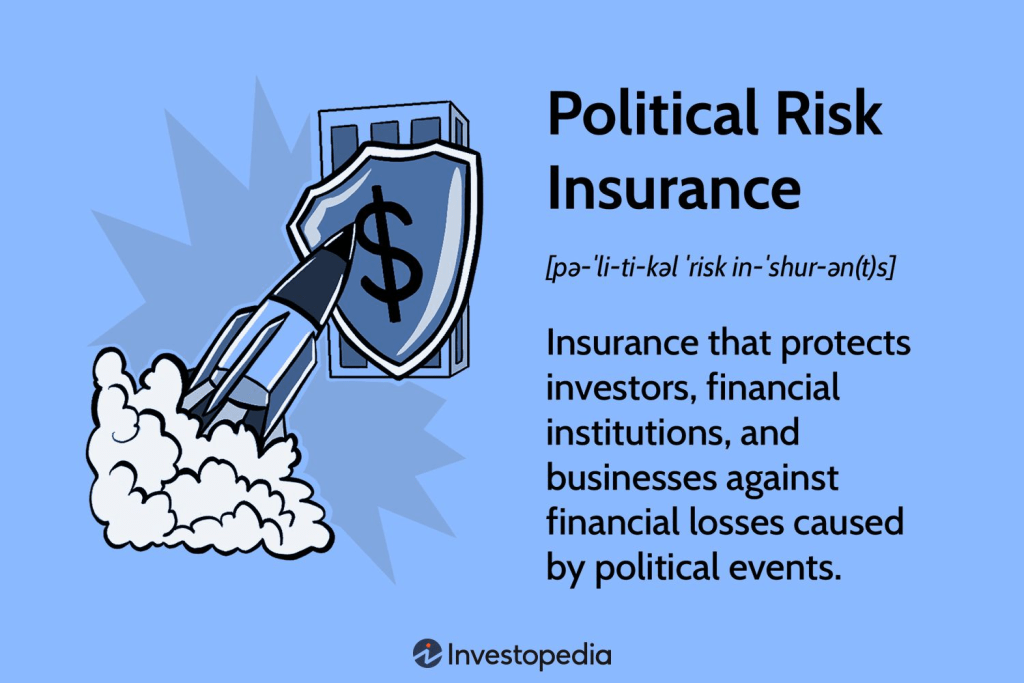
One tool businesses can use to manage these uncertainties is Political Risk Insurance which covers losses from political instability.
Impact of VAT Hikes on Business
Political instability is costing your business more than you think 10
The recent hikes in Value Added Tax (VAT) in South Africa have significant implications for businesses. VAT increases push up operational costs for many companies. They pass those costs on to consumers in the form of higher retail prices. That can really hit consumer demand particularly among lower-income groups that feel the pinch of tax changes most.
That shift in prices can cause sales to drop at small businesses selling essential goods. When customers feel the pinch, they tighten their budgets. Sales drop off as a result.
Uncertainty over VAT policies adds another layer of complexity. Businesses struggle to forecast their finances effectively. That makes them hesitant to invest, because they don’t know what their costs will be in the future.
Political Risk Insurance can help companies manage losses linked to political actions. And having that safety net in place lets you plan for the long term, even when the future is uncertain.
Understanding how Political Risk Insurance fits into your strategy can make your decision-making a lot clearer. When the rules change, that insurance can provide the reassurance and stability businesses need.
That reassurance can be a game-changer in uncertain times.
Aspect
Description
Impact on Businesses
Recent VAT Increases
Operational costs have risen due to higher VAT rates.
This approach can restrict operational flexibility and responsiveness.
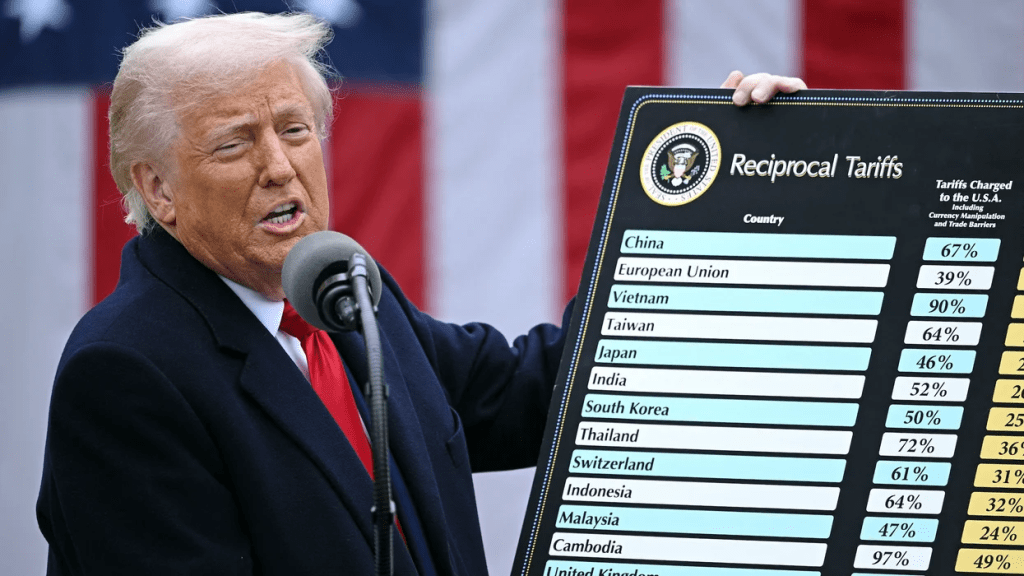
Shifting tariffs play a significant role in shaping the business landscape, particularly in politically unstable environments like South Africa. The recent imposition of a 31% tariff on South African goods by the United States has introduced substantial challenges for businesses reliant on exports to the U.S. Key sectors such as automotive, precious metals, machinery, and agriculture are directly affected, with exports like vehicles and citrus products facing increased costs that may need to be absorbed by companies or passed on to consumers.Financial Times+4Reuters+4Al Jazeera+4
This development underscores the critical importance of Political Risk Insurance (PRI) for South African businesses engaged in international trade. PRI provides coverage against losses resulting from government actions that adversely affect business operations, including the sudden imposition of tariffs. By securing PRI, companies can mitigate the financial impact of such political decisions, ensuring greater stability in revenue streams and safeguarding against unforeseen expenses.
Moreover, the uncertainty introduced by these tariffs complicates long-term planning and investment decisions. Businesses may hesitate to commit resources to expansion or new ventures due to the unpredictable nature of international trade policies. In this context, PRI serves not only as a financial safety net but also as a strategic tool, enabling companies to navigate the complexities of global trade with greater confidence and resilience.
Understanding Policy Uncertainty
Policy uncertainty occurs when there are too many changes in government regulations and laws, making it hard to plan for the future. In South Africa this is particularly bad, with tax policy and regulatory changes happening without warning. A sudden increase in corporate tax can catch you off guard and force you to relook your financial strategy. This uncertainty prevents companies from making long term investments as they are not sure how new policies will impact their costs and operations. When companies delay investment decisions it stifles growth and innovation and the market stagnates. Lack of clear and stable policies creates an environment where companies are hesitant to expand or hire new staff and that impacts the economy. So navigating this landscape requires companies to be agile and adaptable, often at the expense of strategic growth.
Rising Operational Costs from Instability
Political instability in South Africa has led to a big increase in operational costs. Companies are allocating more resources to security to protect their assets and employees, especially in areas affected by civil unrest.
For example, businesses may need to employ extra security personnel or invest in fancy surveillance systems, which costs money. And the uncertainty of government policy changes forces businesses to do extensive contingency planning.
This takes money away from innovation or expansion into risk management.
Another aspect of operational costs is the need to adapt to changing regulations. Businesses find themselves needing to update their compliance mechanisms all the time, incurring legal fees and administrative costs. For example, if a new tax law is introduced, companies need to update their accounting practises, which may require staff training or even hiring external consultants.
Supply chain management also gets more complicated and costly in a political unstable environment. Businesses face increased logistics costs due to delays and disruptions which can be caused by border closures or strikes related to civil unrest. This uncertainty makes inventory management a nightmare, as businesses struggle to maintain optimal stock levels in a fluctuating supply chain. The end result is increased operational costs that can hurt profit margins and pricing strategies, making it tough for businesses to remain competitive.
Increased costs of raw materials due to political unrest
Fluctuations in currency affecting import and export costs
Higher insurance premiums for businesses operating in unstable areas
Staff turnover and recruitment challenges leading to rising HR costs
Increased security measures to protect assets and personnel
Delays in projects due to adverse political conditions
Cost of compliance with rapidly changing regulations
Loss of potential revenue due to disrupted operations
Supply Chain Disruptions and Challenges
Political instability in South Africa affects supply chains which are the lifeblood of many businesses. When political tensions rise logistical operations can be severely disrupted and goods and services delayed. For example businesses may struggle to source raw materials due to strikes or road blockades caused by political protests or unrest. This unpredictability makes inventory management difficult as companies can’t forecast stock levels accurately.
Having your business covered by Political Risk Insurance will maintain customer trust.
Moreover the costs associated with logistics during unstable periods can be huge. Companies may need to find alternative and often more expensive routes or suppliers to keep supply going. This not only increases operational costs but also affects profitability and pricing strategies. For example if a manufacturer relies on imported components and the government suddenly increases tariffs or restricts imports the cost of production can go through the roof and the company will have to pass this on to the customer.
Investing in Political Risk Insurance is key to navigating these choppy waters.
Also political instability can lead to a lack of trust in local suppliers and businesses will look for international alternatives. But this will further complicate supply chains and introduce new challenges such as longer lead times and currency fluctuations. So businesses will find themselves in a reactive rather than proactive position scrambling to adjust and adapt to a constantly changing environment.
Political Risk Insurance is key to maintaining investor confidence during political fluctuations.
Understanding how Political Risk Insurance can mitigate risks is key to getting funding.
Political Risk Insurance is essential for a stable business environment.
Investing in Political Risk Insurance will give you an edge in tough markets.
Erosion of Consumer Confidence
Political instability can really knock consumer confidence and spending ofcourse. When people feel uncertain about their government, they often put saving ahead of spending. That’s especially true in industries like retail and hospitality, where discretionary spending is the lifeblood. In South Africa, during periods of high tension, you see that in people choosing to dine out less or skip non-essential purchases because they fear economic instability. That shift in behaviour creates a ripple effect: businesses see reduced revenues and may have to downsize or cut back on services. As consumers tighten their belts, companies struggle to hit their sales targets. That just adds to the economic challenges faced in an unstable political climate.
By choosing Political Risk Insurance, businesses can navigate those challenges.
That insurance is an investment in your company’s future stability and growth potential.
With Political Risk Insurance, businesses can better manage the risks that come with uncertainty. And that can give them a much-needed safety net.
Investor Trust and Political Stability
Political stability is key to investor trust which is essential for growth. In South Africa we have seen a significant decline in foreign direct investment (FDI) due to ongoing political turmoil. Investors want environments where the rules are clear and risks are manageable. When there are leadership changes or corruption scandals like we have seen in recent years it creates uncertainty. For example the fallout from state capture has made many investors cautious and are channelling their funds into more stable markets like Europe or Asia.
Political Risk Insurance can ensure employee security during challenging times.
Furthermore diminished investor trust means reduced capital inflow which can stifle innovation and expansion opportunities for local businesses. Companies may struggle to get funding or may pay higher cost of capital in a perceived risky environment. For example a tech startup in South Africa may struggle to attract venture capital if investors think the political landscape will hinder its growth.
Incorporating Political Risk Insurance into your strategy can offset hidden costs during times of instability.
Ultimately the interplay between political stability and investor trust is a critical factor that can either propel businesses forward or hold them back. This instability affects not only big corporations but also small and medium enterprises that rely on a steady flow of investment to thrive.
Political Risk Insurance is a smart move for businesses looking to be sustainable long term.
Market Competitiveness in Unstable Environments
Stay informed about Political Risk Insurance options.
Ultimately Political Risk Insurance is key to thriving in a volatile market.
In South Africa businesses face many challenges in being competitive due to the political instability. Companies struggle to match the pricing of international companies that operate in more stable markets. The additional costs of security, risk management and compliance with changing regulations can make it difficult for local businesses to offer competitive pricing. For example a manufacturing company may see its production costs increase due to tariffs on imported raw materials and then pass that cost on to the customer. The uncertainty around government policies can delay investment in innovation and leave businesses stagnant while their competitors move ahead. This can result in loss of market share as customers go to companies that can offer stable pricing and service. As the political environment changes companies must adapt their strategy which can take them away from their core business and hinder long term growth.
How Berkley Risk Can Help Your Business
Berkley Risk understands the challenges posed by political instability in South Africa and serves as an intermediary to help businesses navigate these turbulent waters with tailored insurance solutions. By connecting companies with suitable coverage for operational disruptions, we enable them to mitigate the financial impact of unforeseen events, such as sudden policy changes or supply chain disruptions. For example, if a new regulation unexpectedly increases compliance costs, businesses working with Berkley Risk can access insurance products that offer some relief, allowing them to focus on core operations rather than solely managing risks. Additionally, our expertise in risk management helps businesses devise strategies that protect against current uncertainties while preparing for future challenges, fostering resilience and encouraging sustainable growth.
Frequently Asked Questions
1. How does political instability affect my supply chain?
Political instability can disrupt the flow of goods and materials, causing delays and shortages. This often leads to increased costs and can jeopardise your business operations.
2. Can political instability impact my employees?
Yes, it can lead to employee uncertainty and stress, which may affect morale and productivity. In extreme cases, it can even force employees to relocate or leave their jobs.
3. What indirect costs can political instability create for my business?
Indirect costs can include higher insurance premiums, legal fees for compliance with new regulations, and the need for additional security measures to protect your assets.
4. Should I change my business strategy in response to political instability?
Adapting your strategy can be wise. This might involve diversifying suppliers, exploring new markets, or investing in flexible business practises to remain resilient during turbulent times.
5. How can I stay informed about political changes that might affect my business?
Regularly follow trusted news sources, join industry forums, and consider subscribing to political risk analysis services to keep abreast of developments that could impact your operations.
TL;DR Political instability in South Africa is significantly impacting businesses through higher operational costs, shifting tariffs, and policy uncertainty. This environment has led to reduced consumer confidence and investor trust, ultimately affecting market competitiveness. To safeguard your business against these challenges, consider tailored insurance solutions from Berkley Risk.
Hello 👋 How can we assist you with your insurance needs today?
By opting in, you agree to receive messages from Berkley Risk regarding our specialised insurance services. We respect your privacy and will use your contact information solely for communication related to your inquiries and our services. You can opt out at any time. For more details, please review our Privacy Policy.