

TL;DR
- Standard South African business insurance does not always automatically cover commercial solar PV assets after installation.
- The most common issue is a disclosure gap: the solar system was installed, but the policy schedule, business interruption basis and supporting documentation (installer, manufacturer and maintenance warranties) were never updated.
- Insurers may require evidence such as an electrical Certificate of Compliance, maintenance records, surge protection, fire safeguards and security measures at claim stage.
- Cover for commercial PV typically needs specific structuring around property damage, machinery breakdown and business interruption exposure.
- Berkley Risk arranges specialised commercial solar insurance reviews with Lloyd’s markets and specialist renewables underwriters.
The disclosure gap that catches most SA businesses
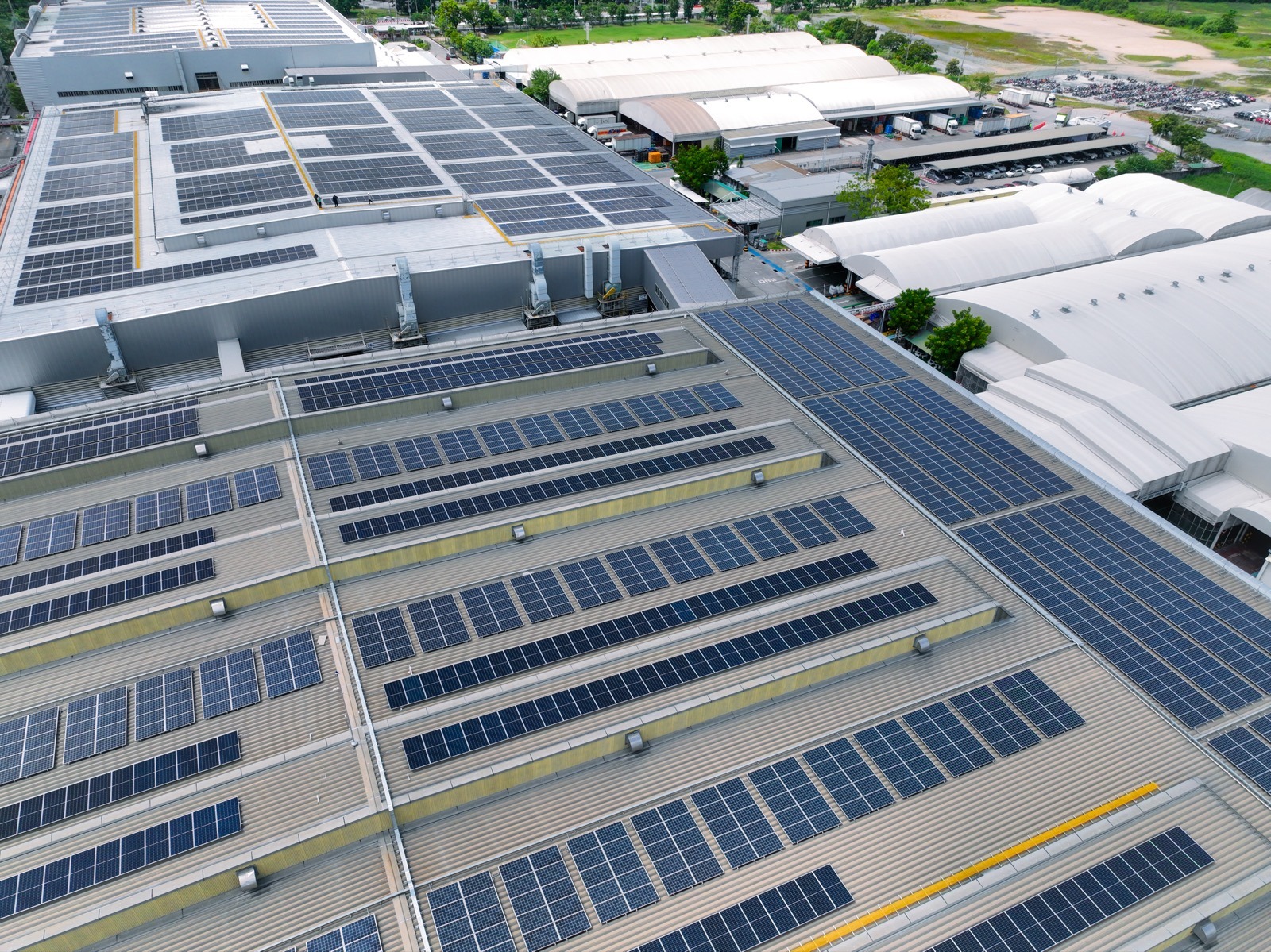
Many South African businesses have installed rooftop or ground-mounted solar PV systems since 2022, driven by loadshedding, energy security concerns and cost-reduction pressure. In most cases the installation has been treated as an infrastructure project rather than an insurance event, which is where the disclosure gap opens up.
The commercial insurance programme is usually placed against the fixed assets, business income and liability exposures that existed at the last renewal. If the solar system was installed after that renewal, the policy schedule may not reflect the new asset. The business interruption cover may not reflect the new dependence on the system. The insurer’s evidence file may not include the documents that ordinarily support a claim.
The disclosure gap is not usually about intent to withhold information. It is about the programme not keeping pace with what has physically been added to the site.
What does standard business insurance cover for solar?
Standard commercial property and business interruption wordings in South Africa were not designed with mounted PV arrays in mind. The scope of automatic cover depends on the specific policy wording and how the property is described on the schedule. In many cases:
- The solar system may not be listed as an insured asset, so its declared value is not reflected in the sum insured.
- Machinery breakdown cover, which is often central to PV cover, may not be in place if the historical exposure did not warrant it.
- Business interruption cover may still be calculated against pre-installation revenue dependence, missing the increased impact of a PV outage on production, cold storage or retail operations.
- Damage caused by lightning surge, fire originating in inverters or DC combiner boxes, or hail damage to panels may fall inside grey areas of the wording.
The result is not that cover is definitely absent, it is that cover is not always structured for the risk that has been added. That is the question a proper cover review addresses.
What insurers may require after a solar installation
When a commercial claim involving solar is notified, insurers commonly ask for supporting documentation to satisfy themselves that the installation was compliant, maintained, and appropriately safeguarded. The document requests fall into several categories:
- Electrical compliance. An electrical Certificate of Compliance (CoC) issued by a registered person (Installation Electrician or Master Installation Electrician registered with the Department of Employment and Labour) confirming the installation meets South African wiring standards.
- Installation records. As-built asset schedule showing what was installed, the value, and the location on the site.
- Maintenance evidence. Maintenance contract with an accredited service provider, plus service records for the interval preceding the loss.
- Surge and lightning protection. Evidence of surge protection devices and, where relevant, lightning protection system compliance.
- Fire protection. Fire detection and suppression arrangements suitable for the roof or ground area, particularly for larger arrays.
- Security. Site security measures relevant to the risk of theft, which is a material exposure for SA commercial PV.
Where the evidence file is thin, insurer engagement at claim stage can be slower and cover disputes are more likely. Preparing the evidence file before it is needed is a working part of managing PV cover.
Machinery breakdown and business interruption cover
A commercial PV system contains equipment that is subject to sudden mechanical or electrical failure: inverters, transformers, MPPT controllers, monitoring equipment, and switchgear. Machinery breakdown cover responds to that internal failure risk. Whether that cover is already inside the existing property policy, or needs to be added as a specific extension, depends on the wording.
Business interruption cover matters where the business relies on PV generation for continuity. That reliance is greater than it was five years ago because loadshedding has increased the operational value of on-site generation. A business interruption basis calculated against 2019-era revenue assumptions may not reflect the current dependence on the system continuing to run.
Who owns the insurable interest in the PV system?
Ownership questions are common in the SA commercial PV market because of the range of financing and lease structures used to fund installations. The relevant scenarios include:
- Host-owned. The business owns the PV system outright. The insurable interest sits with the business and the cover attaches to their commercial property policy.
- Landlord-installed on tenant-occupied site. The landlord owns the system. Insurance attaches to the landlord’s policy, but the tenant may have BI exposure that needs its own consideration.
- Tenant-installed on leased property. The tenant owns the system as tenant improvements. Cover typically sits with the tenant’s policy, but the lease should be reviewed for insurance obligations.
- Third-party financed (PPA or lease). A separate entity owns the system and sells electricity to the site occupier. Insurable interest sits with the owning entity, but the operational risk sits with the site.
Getting the insurable interest right before cover is placed avoids arguments about who is entitled to claim if something happens.
What a commercial PV insurance review covers
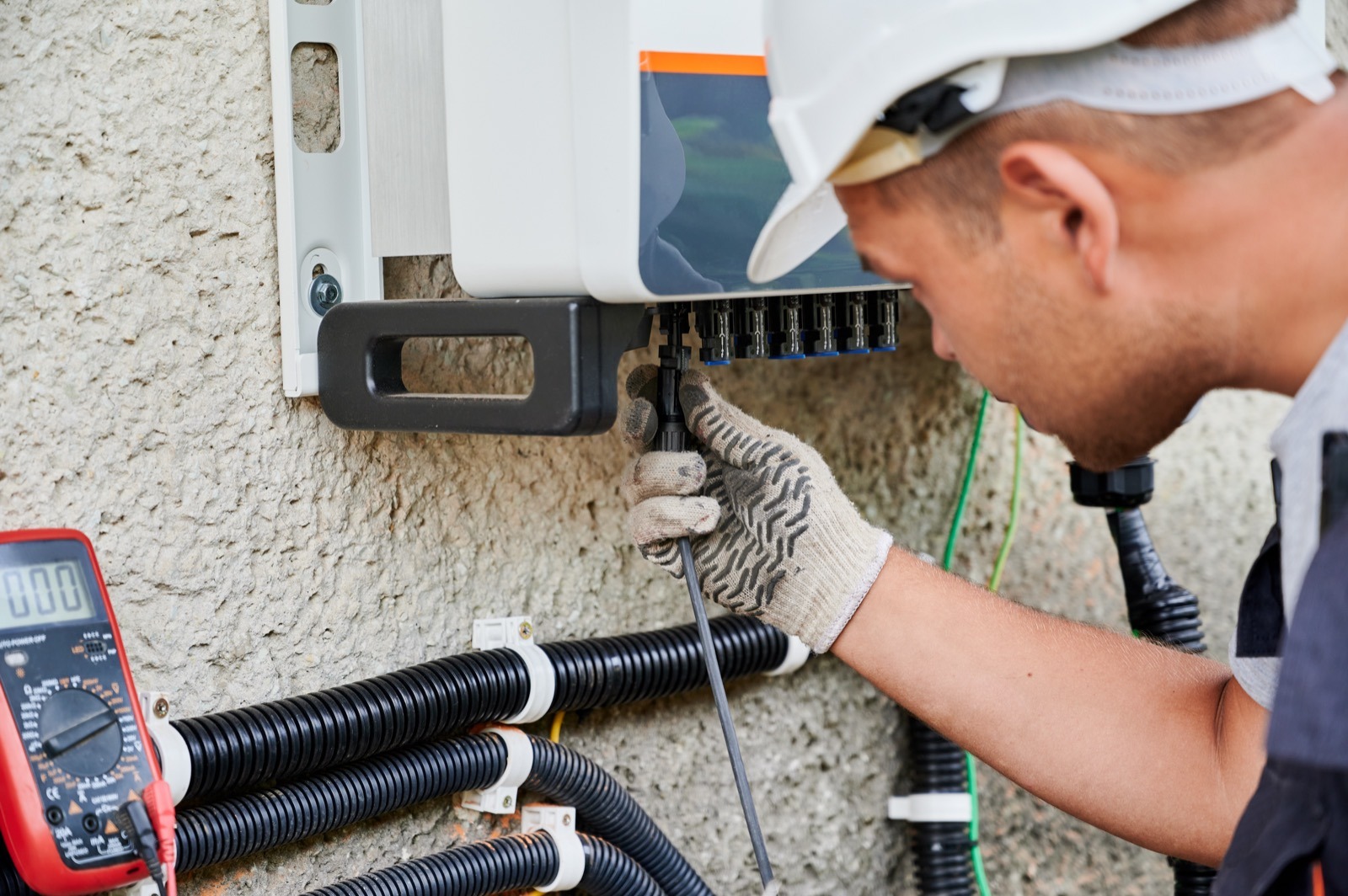
A proper review of commercial PV insurance addresses each of these questions in structured form. It looks at:
- The declared value of the PV system and whether it is correctly reflected on the policy schedule.
- Whether machinery breakdown cover applies and is calibrated to the system components.
- The business interruption basis and whether it reflects current dependence on the system.
- Ownership and insurable interest, especially where lease or financing structures exist.
- The evidence file that supports a claim: CoC, maintenance, surge protection, fire and security arrangements.
- The gap between what the existing policy provides and what the installed risk actually requires.
Berkley Risk arranges these reviews for South African commercial clients through specialist renewable energy insurance markets and can help structure cover that responds to the specific installation, not a generic renewable energy template.
Frequently asked questions
Does my existing business insurance automatically cover solar panels I’ve installed?
Not always. Whether an existing commercial property policy responds to a solar-related claim depends on the specific wording, whether the asset was disclosed, whether the schedule was updated, and whether the required evidence is available. Reviewing the position after installation is the way to know.
What is the disclosure gap?
The disclosure gap is the difference between what is physically installed at the site and what the insurance programme reflects. It commonly opens up when a business installs solar after their commercial insurance was placed and does not update the schedule or the business interruption basis to reflect the new asset.
Do I need a Certificate of Compliance (CoC) for insurance?
An electrical CoC issued by a registered person (Installation Electrician or Master Installation Electrician registered with the Department of Employment and Labour) is one of the most commonly requested documents by insurers at claim stage. It confirms the installation meets the applicable South African wiring standards. Where it is missing, cover disputes are more likely.
Is machinery breakdown cover included in standard property insurance?
Not always. Machinery breakdown is often a specific extension rather than an automatic inclusion. For commercial PV installations, cover for internal failure of inverters, transformers and switchgear typically needs to be arranged specifically.
What is business interruption cover for solar?
Business interruption cover for solar responds to lost income and additional expense when a PV outage disrupts operations. The relevance depends on how much the business relies on the system, which for many SA operations has grown significantly since 2022. The BI basis typically needs to reflect current dependence rather than historic revenue assumptions.
Who arranges the insurance if the solar was installed by a landlord or financier?
It depends on who owns the system and where the insurable interest sits. Landlord-owned systems are usually insured by the landlord, tenant-owned by the tenant, and financier-owned or PPA arrangements by the owning entity. The lease or financing contract usually specifies the responsibilities, and it is worth reviewing them before assuming a specific party’s policy will respond.
How often should I review PV cover?
The right time to review is after any material change to the installation, at each policy renewal, and after any relevant claim experience elsewhere in the market. As South African insurers continue to refine their approach to PV, an annual review at renewal is a working practice.
Does Berkley Risk certify solar compliance?
No. Berkley Risk is an FSP-licensed insurance broker and does not provide engineering or electrical opinions. The insurance review addresses the cover position, not the technical compliance of the installation itself. Compliance certificates are issued by registered person (Installation Electrician or Master Installation Electrician registered with the Department of Employment and Labour)s and engineers.
Get your commercial PV cover reviewed
If your business has installed a commercial solar PV system in the past 24 months, the insurance programme is worth reviewing against the installed risk. Berkley Risk arranges structured reviews with Lloyd’s markets and specialist renewable energy underwriters. To request a review, visit our Commercial Solar Insurance Review page.
This article is general information only and does not constitute financial product advice. Cover requirements for your specific business should be discussed with a licensed FSP. Berkley Risk is an authorised financial services provider. FSP #54407.