TL;DR Solar projects in the Northern Cape face unique environmental, logistical, and political risks. Essential insurance includes Construction All-Risk (CAR), Delay in Start-Up (DSU), Political Risk, and Environmental Liability cover. These policies protect developers, contractors, and financiers from losses due to damage, project delays, third-party claims, and unforeseen disruptions. Berkley Risk offers tailored insurance strategies to support solar energy infrastructure in South Africa’s largest renewable energy hub.
Why the Northern Cape Is South Africa’s Solar Capital
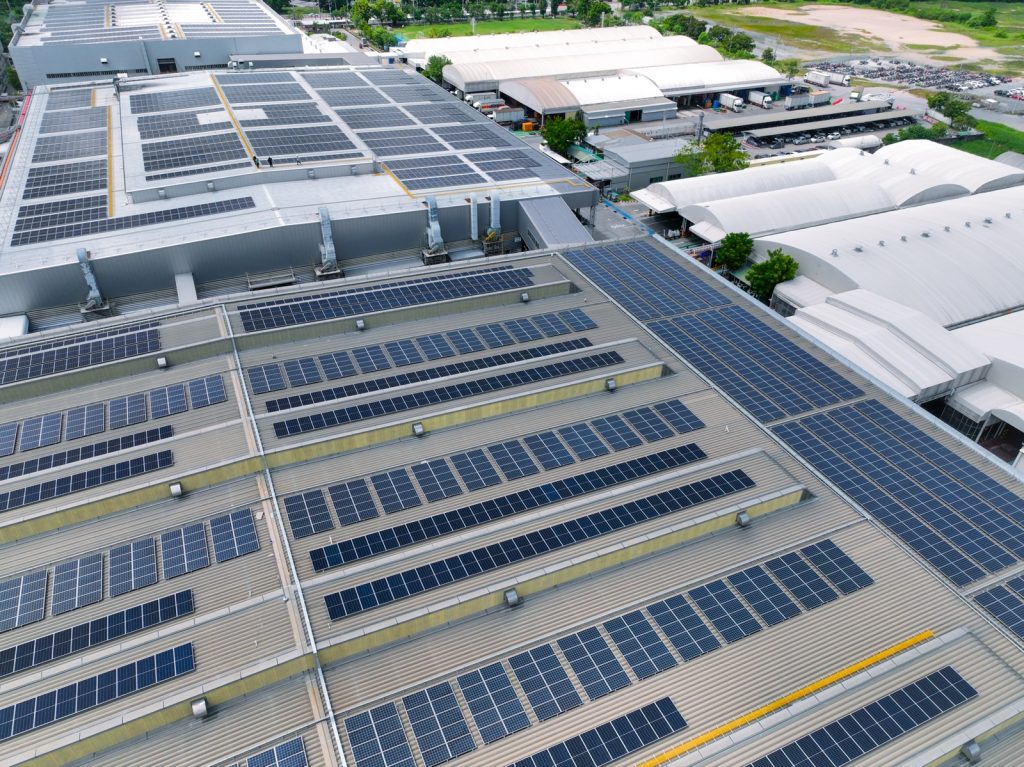
The Northern Cape is known for its high solar irradiation, vast open spaces and low population density making it the hub of South Africa’s solar energy sector. Home to projects under the Renewable Energy Independent Power Producer Procurement Programme (REIPPPP), the province has attracted Independent Power Producers (IPPs), EPC contractors and financiers. But these benefits come with challenges like infrastructure gaps, political influence and environmental volatility.
Key Insurance Products for Solar Projects
Construction All-Risk (CAR) Insurance
CAR is essential during the development and construction phase of solar farms. It covers material damage arising from risks like fire, windstorms, hail, theft. In the Northern Cape where sandstorms and logistical challenges are common, CAR provides critical the build phase.
Delay in Start-Up (DSU) or Advanced Loss of Profits (ALOP)
DSU complements CAR by covering financial losses due to project delays. If a storm or supply chain issue stops installation, DSU pays for lost revenue from delayed energy generation. This is especially important for REIPPPP linked projects with strict milestone requirements and penalties.
For IPPs with long term power purchase agreements (PPAs), political stability is key. Political Risk Insurance covers losses from events like expropriation, currency inconvertibility, sovereign breach of contract and civil unrest. While South Africa is relatively stable, changes in energy policy or government intervention can be a big risk for foreign investors and local developers alike.
Environmental Liability Insurance
Solar projects are not immune to environmental scrutiny. This policy covers liabilities from environmental damage during construction or operation. It includes coverage for soil contamination, hazardous waste disposal and damage to protected areas.
This covers the insured against third party claims for bodily injury or property damage arising from project activities. For example, if community members are injured by construction vehicles or equipment, this policy will cover legal and compensation costs.
Operational Property Damage and Business Interruption
Once operational, solar farms are exposed to weather damage, grid failures and vandalism. Operational property insurance covers the replacement or repair of physical assets, while business interruption insurance ensures continued income during downtimes caused by covered events.
Contractor’s Plant & Equipment (CP&E)
Solar farm construction requires expensive, mobile equipment. CP&E insurance provides coverage for owned or hired machinery, ensuring protection from fire, theft, or accidental damage, both on- and off-site.
Common Risks Faced by Solar Projects in the Northern Cape
Environmental Exposure
The region’s harsh climate presents significant challenges. Sandstorms can damage photovoltaic panels, while extreme temperatures may affect equipment functionality. These environmental factors require robust insurance and preventative maintenance strategies.
Remote Area Logistics
Transporting components to and from rural locations presents logistical hurdles. Roads may be unpaved or inaccessible during heavy rain, leading to increased risk of damage during transit and delays that trigger DSU claims.
Political and Regulatory Risks
Policy shifts—such as changes in feed-in tariffs, PPA terms, or land use regulations—can impact project profitability and viability. Government delays in permitting or land access also fall into this risk category.
Community and Labour Unrest
While often under-reported, social disruption can be a real threat. Protests due to employment disputes, land rights, or local dissatisfaction may result in project delays, vandalism, or safety issues.
Stakeholders Who Need Protection
Independent Power Producers (IPPs)
Developers bear the brunt of investment risk. They need comprehensive coverage from the ground up, including CAR, DSU, Political Risk, and Operational Damage cover, ensuring smooth construction and uninterrupted revenue flow.
EPC Contractors
Engineering, Procurement, and Construction contractors require CP&E, Public Liability, and CAR policies to protect against physical and third-party risks during project execution.
Lenders and Project Financiers
Lenders require assurance that their capital is protected. Lenders’ Contingent Insurance and co-insured status on key policies help secure their investment and enable financial closure.
O&M Service Providers
Operators need ongoing protection for business continuity and liability post-construction. This includes BI (Business Interruption), Operational Damage, and Environmental Liability coverage.
Government Entities and Municipalities
Where public-private partnerships exist, state-owned entities may require protection from political interference or liability claims.
How Berkley Risk Supports Renewable Energy Projects
Berkley Risk provides tailored insurance portfolios for solar farm developers, contractors, and financiers. With deep knowledge of REIPPPP requirements and South Africa’s regulatory environment, Berkley Risk assists clients in assessing exposures, structuring appropriate cover, and supporting claims.
Services Include:
- Risk identification and gap analysis during pre-feasibility
- Structuring CAR, DSU, and Political Risk cover tailored to solar
- Review of lender terms and project contract allocations
- Post-commissioning insurance audits and operational coverage review
- Support during claim submissions and loss assessment
With experience supporting renewable infrastructure across the country, Berkley Risk is a strategic partner for managing complex risk profiles and unlocking sustainable energy investment.
Frequently Asked Questions
1. Is Political Risk Insurance necessary for solar farms in South Africa?
While not mandatory, it is advisable—especially for projects involving foreign investors or government-linked PPAs, where policy changes can impact viability.
2. Does CAR Insurance cover solar panel theft?
Yes, theft is typically a covered peril under Construction All-Risk policies, but exclusions may apply based on site security.
3. Can Business Interruption Insurance apply to power generation loss?
Yes, it compensates for income lost due to insured damage that halts electricity production.
4. What happens if grid connection is delayed?
DSU insurance can provide financial compensation if the delay leads to loss of expected revenue.
5. How does Berkley Risk tailor insurance for solar energy projects?
Through risk-specific assessments, policy structuring aligned with contract milestones, and ongoing advisory services through the project lifecycle.